Freezing Temperatures – How to Prepare Your Home
Freezing Temps: Preparing Your Home | New Braunfels Utilities
Get Ready for Cold Weather and Protect Your Home
Cold winter weather can increase energy use and put your home’s utilities at risk. Preparing ahead of time helps protect your plumbing, reduce energy strain, and avoid unexpected repair costs. This guide from New Braunfels Utilities shares practical steps to help you stay safe, comfortable, and informed before, during, and after freezing temperatures.
Prepare Your Home Before Freezing Weather Hits
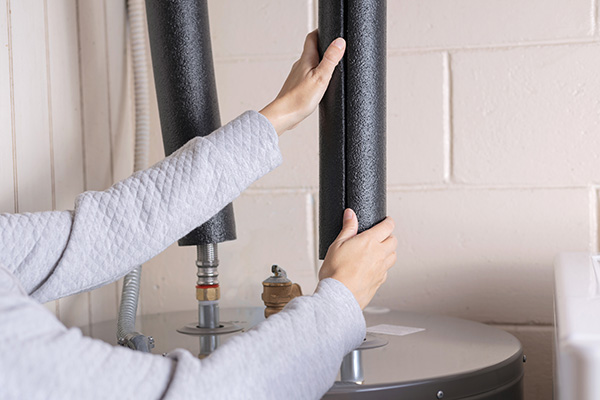
When freezing temperatures are in the forecast, taking action early can help prevent damage.
- Open cabinet doors under sinks so warm air can circulate around exposed pipes.
- Keep your thermostat set to at least 55 degrees, or closer to 68 degrees if you’re home.
- Disconnect and drain outdoor hoses, and insulate outdoor faucets and exposed pipes using foam covers or temporary materials.
It’s also important to know where your main water shutoff valve is located and how to turn it off in case of an emergency.
Save Energy. Save Money.
Conserving energy during colder months helps manage utility costs and reduces strain on your home’s heating system. Keep heat inside with these simple steps:
- Seal drafts around windows and doors
- Open curtains during the day for natural warmth
- Close curtains at night to help keep heat inside.Set your thermostat to a comfortable but efficient temperature — around 68 degrees when you’re home and lower when you’re away. Keep heat system filters clean to improve airflow and efficiency.
- Lower your water heater temperature to around 120 degrees to help conserve energy.
- Turn off unnecessary lights and useLED lighting can further reduce usage.
Actions to Take During Winter Weather
During freezing weather, continue monitoring indoor temperatures and allow faucets to drip slightly during extended freezes to help prevent pipes from bursting.
Why Dripping Faucets Can Help
When water freezes, it expands and creates pressure inside pipes. Allowing faucets to drip slightly during extended freezing conditions helps relieve that pressure and reduces the risk of pipes bursting.
If Pipes Freeze
Frozen pipes often show up as little or no water flow from a faucet. If this happens, leave the faucet open and apply gentle heat using a hair dryer, heating pad, or warm towels.
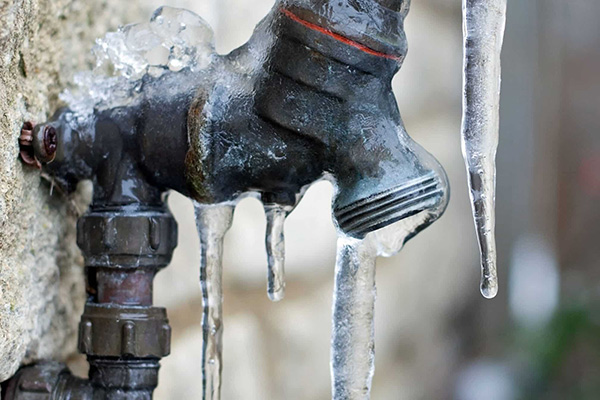
Never use open flames or blowtorches, as they can damage pipes and create serious fire hazards. If you cannot safely thaw the pipe or locate the frozen section, contact a licensed plumber for assistance.
Be Safe & Assess

- Limit travel – Only drive if necessary, and clear snow and ice from your vehicle before heading out
- Dress for the conditions – Wear layers, stay dry, and limit time in the cold to reduce risk of injury or illness
- Take it slow outdoors – Avoid overexertion when clearing snow or ice, cold weather puts extra strain on your body
- Stay informed – Monitor local alerts and weather updates so you know what to expect and how to respond