 Back to All News
News detail Title
National Preparedness Month: What Happens to Your Utilities During Severe Weather?
September 2, 2026September is National Preparedness Month, a good reminder that a little planning can make a big difference when severe weather hits. Knowing how to report an outage, keeping important supplies on hand and understanding what to do if your electric or water service is interrupted can help you respond when conditions change quickly.
Start With the Basics
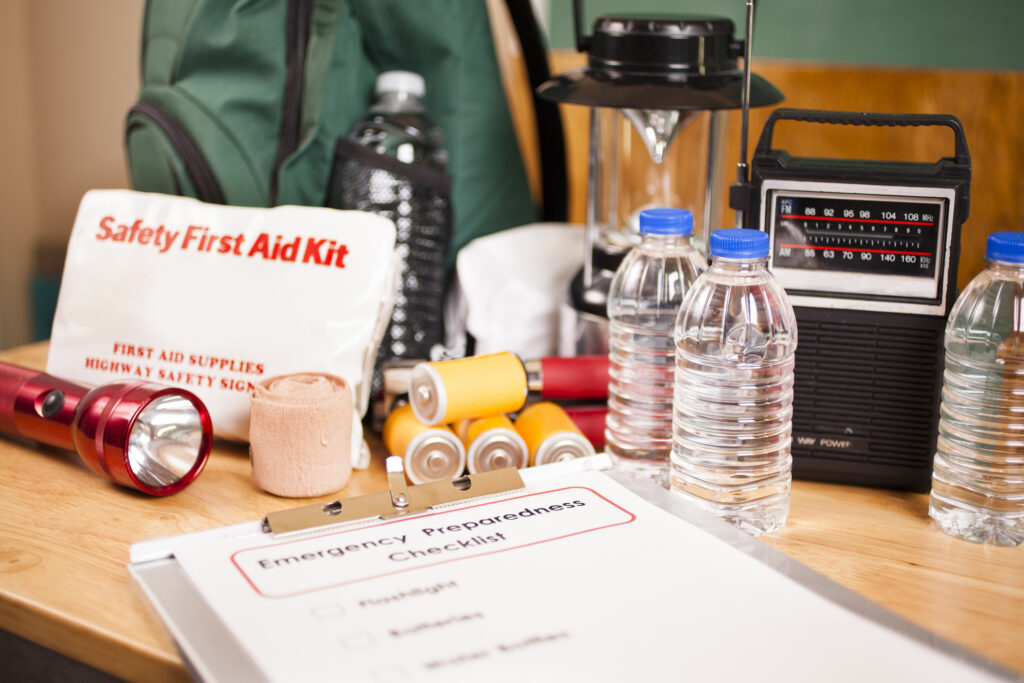
Keep flashlights and batteries somewhere easy to find, charge phones and portable battery packs when severe weather is expected, and have enough drinking water and other essentials on hand for your household.
Make sure you know how to report a utility issue by calling 830-629-4628, and know where to find reliable updates during an emergency, including NBU’s website and social media channels.
How Severe Weather Affects Our Systems
Preparing for severe weather is a shared effort. While customers can take steps to prepare their homes and families, NBU prepares year-round to keep electric, water and wastewater services reliable when conditions change.
Severe weather affects each system differently.
Electric
Wind, lightning and falling tree limbs can damage poles, power lines and other electric equipment, leading to outages. When an outage occurs, NBU crews work to locate the problem and restore service as safely and quickly as conditions allow.
If you see a downed power line, stay away and report it immediately. Always assume the line is energized, and never attempt to move a line or anything touching it.
Water
Heavy rainfall can affect rivers and lakes, making water treatment more complex. NBU uses both groundwater and surface water, giving operators flexibility to adjust water sources as conditions change and helping maintain reliable drinking water service.
Wastewater
Wastewater systems are designed to carry wastewater, not stormwater. During prolonged rain, groundwater and rainwater can enter wastewater pipes through inflow and infiltration, placing additional stress on the system and increasing the risk of backups or overflows.
You can help by keeping stormwater out of the wastewater system. Never connect gutters, downspouts or sump pumps to sanitary wastewater lines.
And remember the Three P’s: pee, poop and toilet paper. Wipes, grease and other debris can create blockages and add unnecessary strain to the system, especially during heavy rainfall.
Preparation Starts Before the Storm
Throughout the year, NBU crews inspect and maintain electric equipment, trim trees around power lines, clean and inspect wastewater mains, monitor system performance and coordinate emergency response plans across all three service systems.
These routine efforts may not be noticeable on a sunny day, but they become especially important when severe weather arrives. They help improve reliability and prepare employees to respond as quickly and safely as possible.
Storm response isn’t one action. It’s hundreds of decisions being made in real time across electric, water and wastewater operations.
Preparedness Takes All of Us
NBU’s preparation is only part of the equation. Customers play an important role, too.
Keep emergency supplies stocked and easy to find. Know where your water shutoff is located. Keep trees and landscaping maintained around utility equipment. Keep stormwater out of the wastewater system. Know how to report an outage or utility emergency, and make sure your contact information with NBU is current so you can receive important updates.
NBU prepares the systems. Customers prepare their homes. Together, we help keep our community ready.